Photo to Sketch and Outline
Photo to Sketch redraws one photo by hand: a shaded pencil sketch or a clean line drawing, with the face and the setting kept.
- Same shape as your photo
- 1K · 2K · 4K, from 1 credit
- PNG (4K as JPG)
- About a minute
- Kept 30 days
AI-generated results may change details of faces, hands or accessories and are not guaranteed to match the input photos exactly.
Start with one photo
Five photos, pencil or line
Portraits, a couple on a street and a dog on the floor, each drawn by this page. Switch between Pencil sketch and Line drawing to see the same photo both ways.
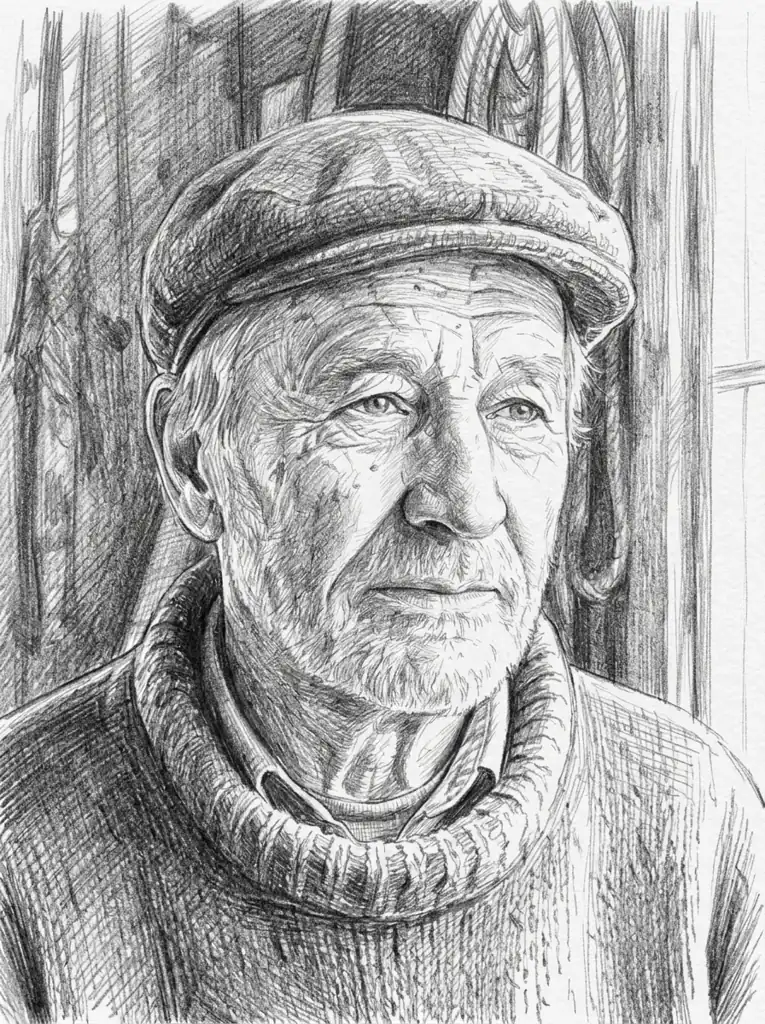
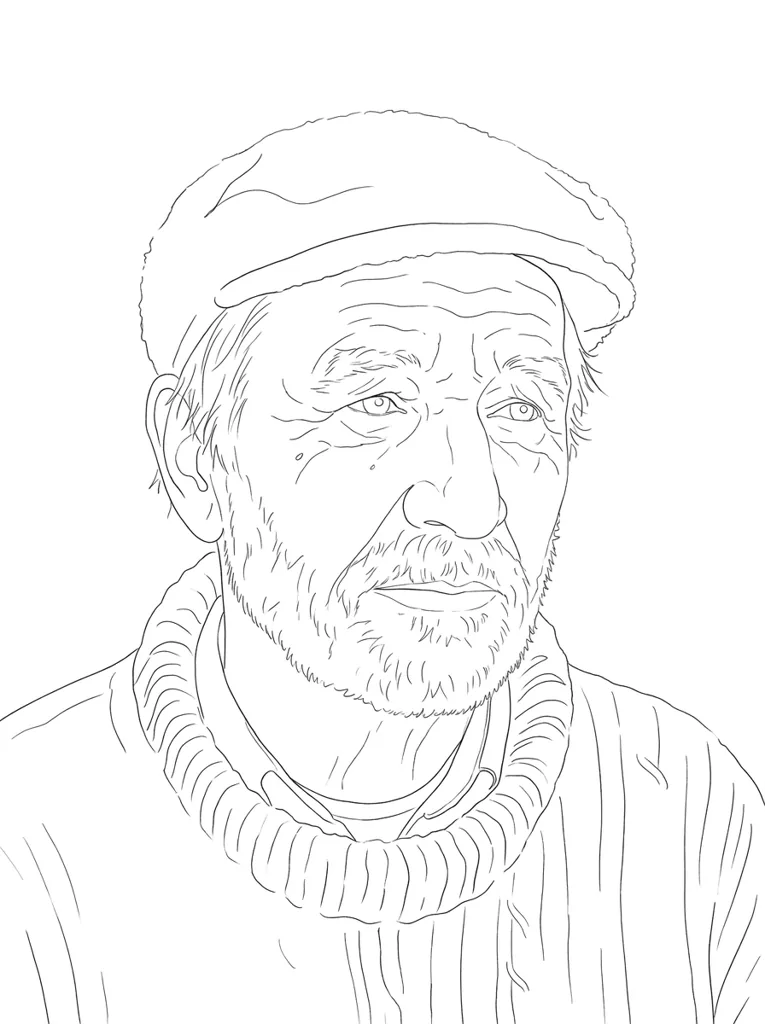
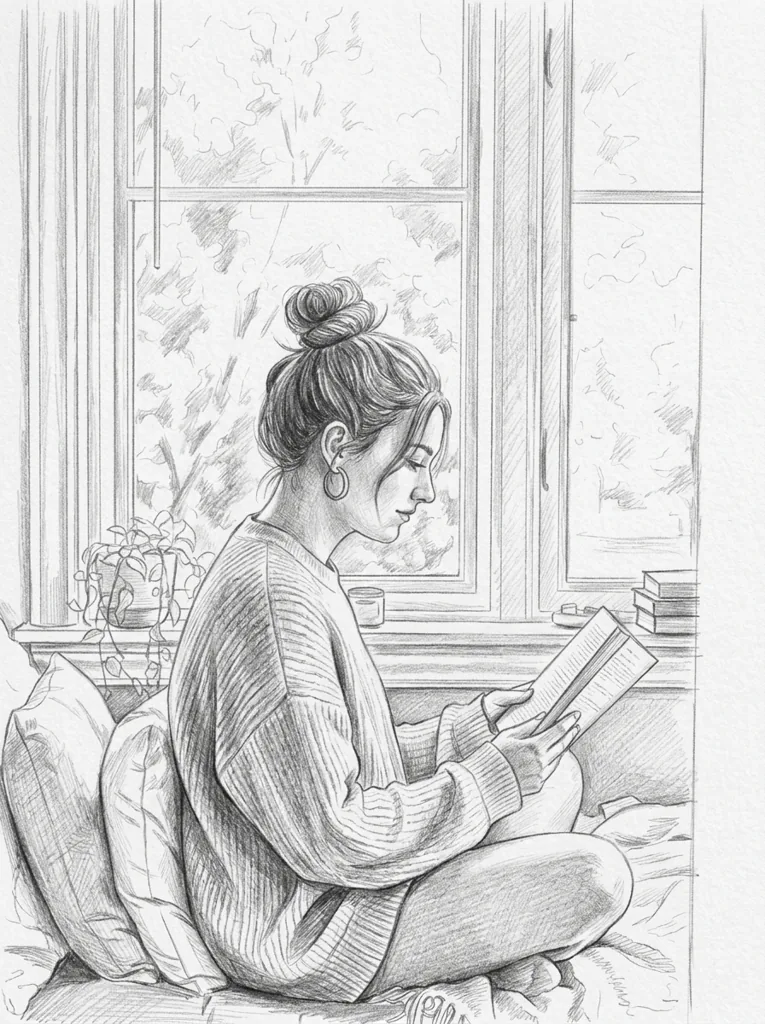
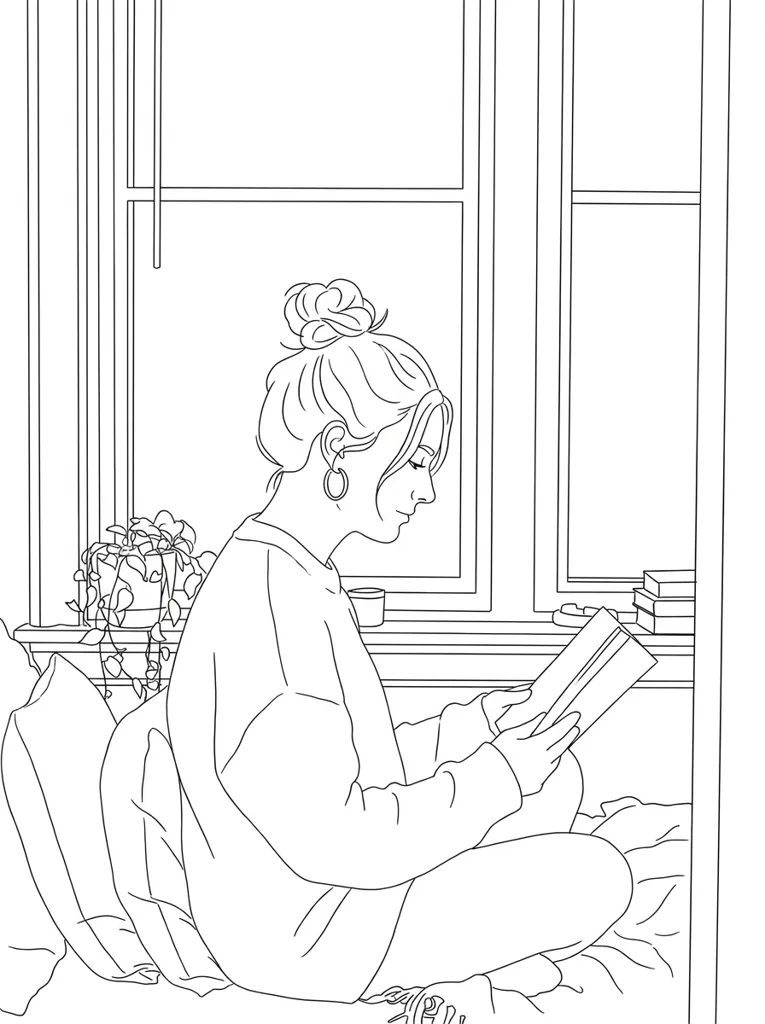
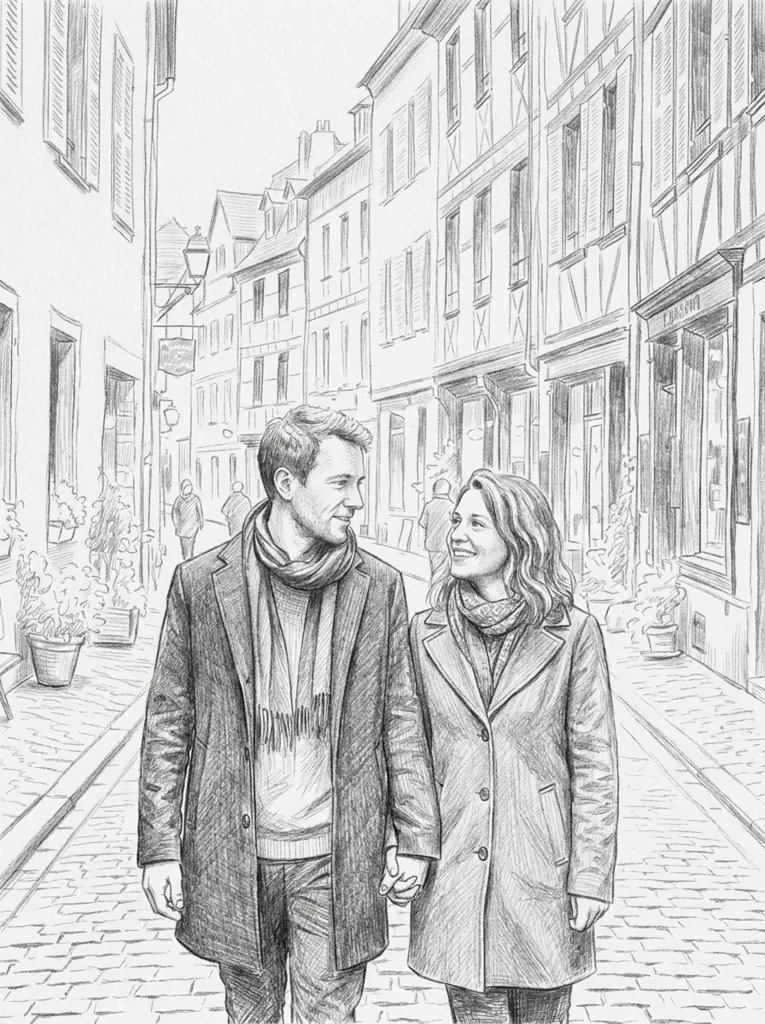
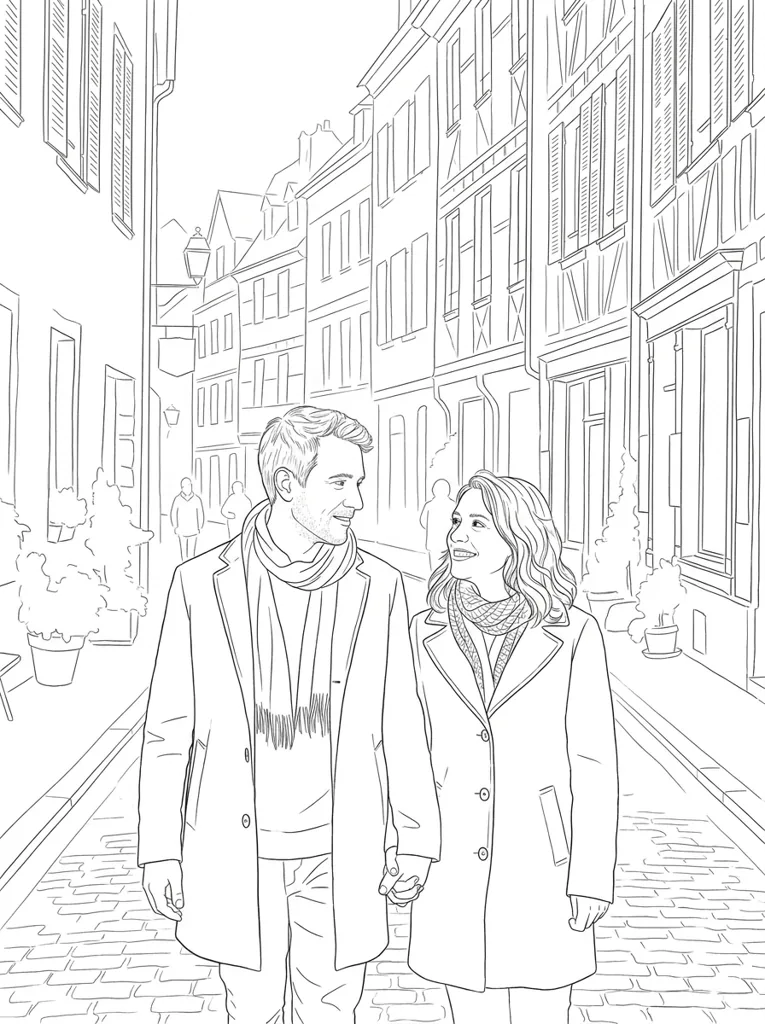
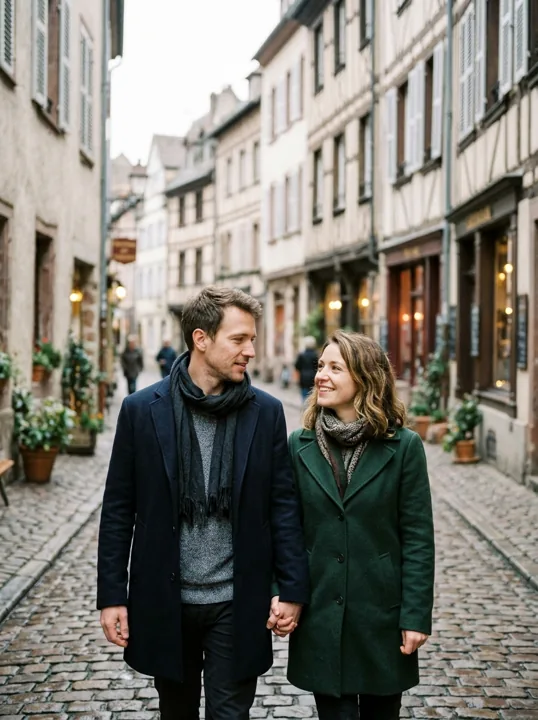
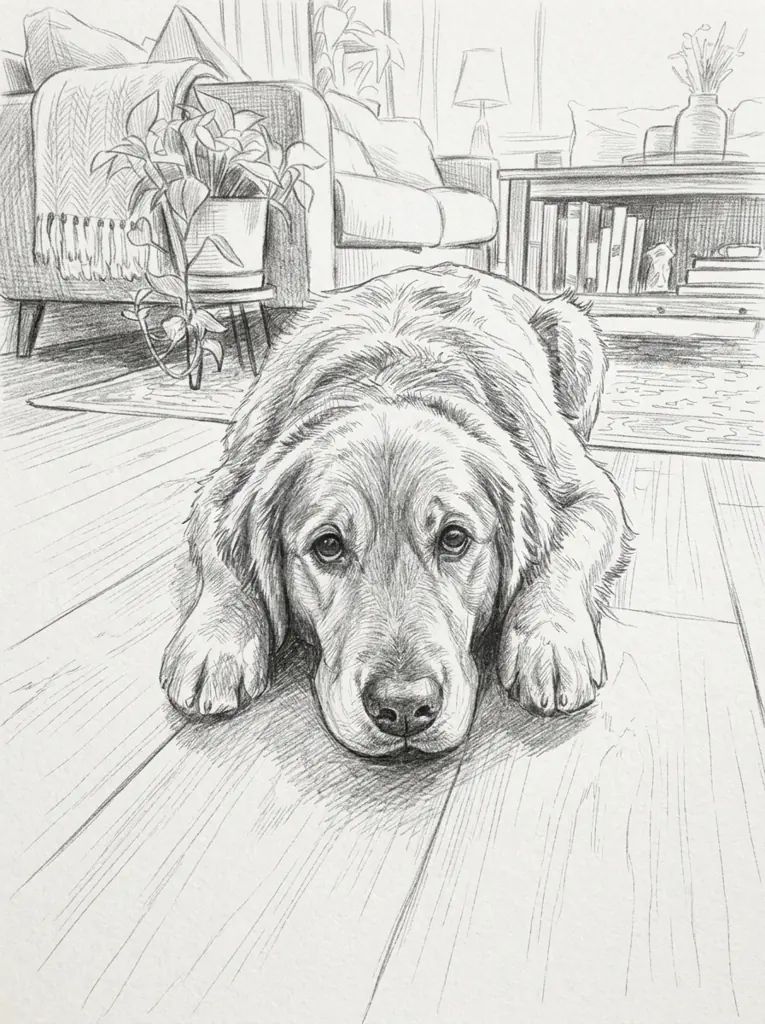
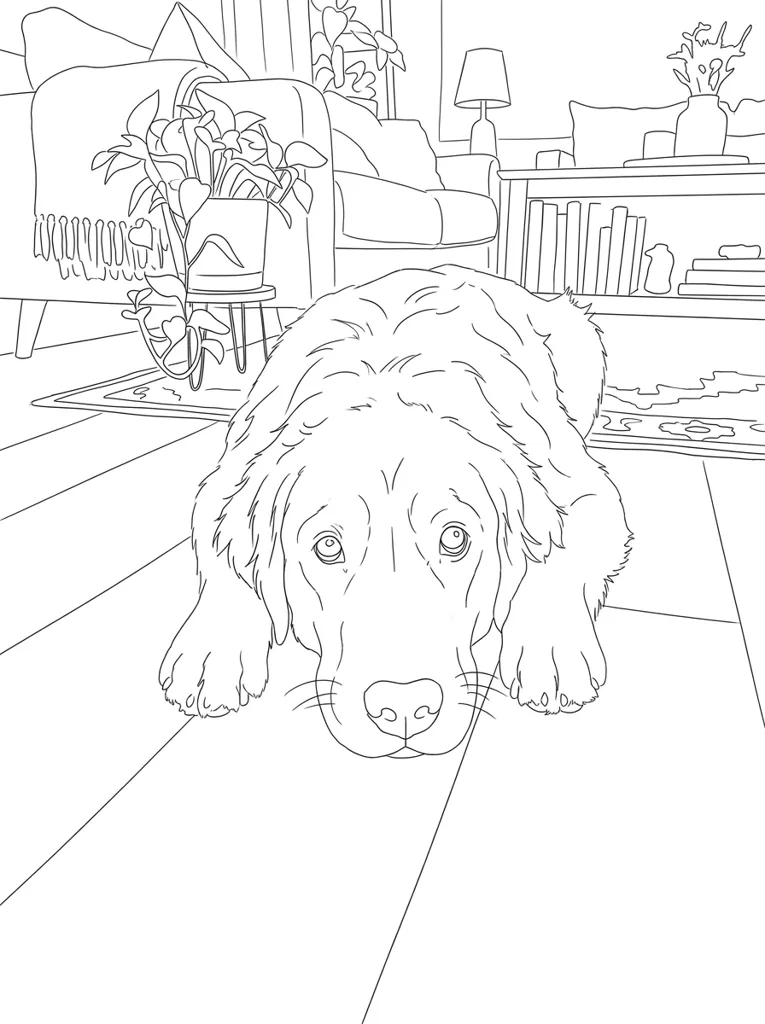
Pencil sketch or line drawing, the same face
The two styles start from the same photo and differ in what they keep: shading or only the outlines.
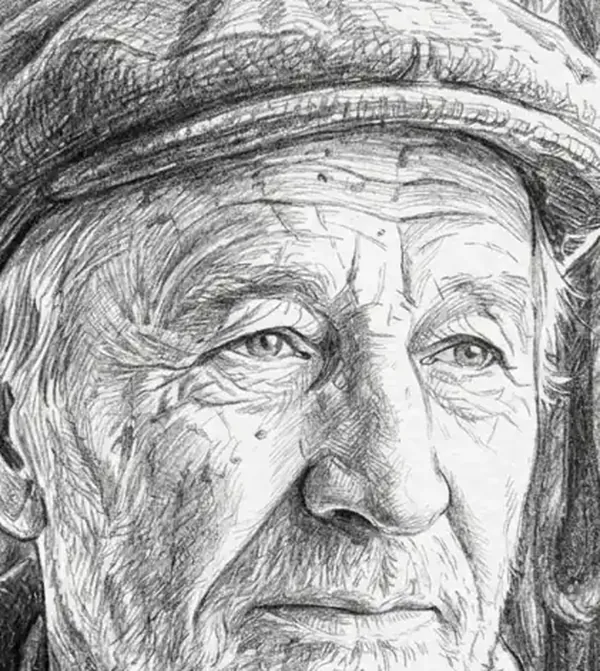
Pencil sketch: every wrinkle and the knit of the cap in graphite hatching. 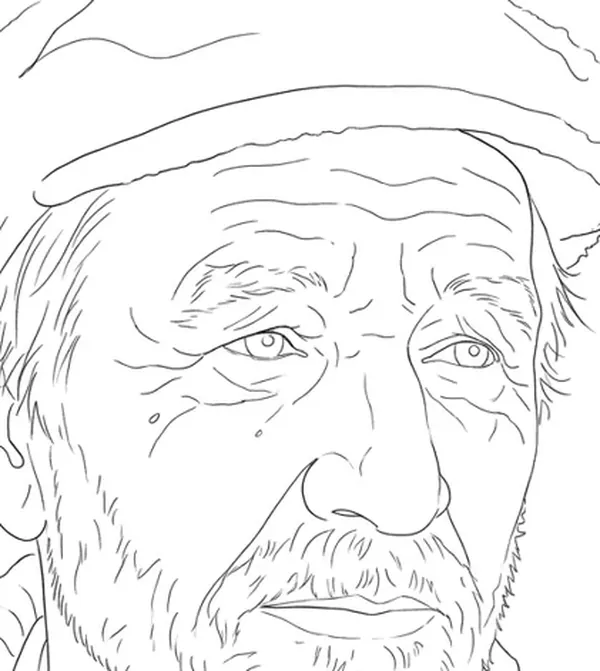
Line drawing: the same face as clean outlines with no shading, ready to trace or color.
Turn a photo into a sketch in three steps
- 1. Add one photoA portrait, a couple, a pet or a place, in good light.
- 2. Pick pencil or lineShaded graphite or thin black outlines; both cost the same.
- 3. Download the sketchSame shape as your photo, about a minute later.
- Same shape as your photo
- 1K · 2K · 4K, from 1 credit
- PNG (4K as JPG)
- About a minute
- Kept 30 days
Where a photo sketch fits
- A framed keepsake A pencil portrait of a parent, a grandparent or a pet, printed at 2K or 4K.
- Tracing and coloring The line drawing is clean enough to trace, paint or color in.
- Cards and invitations A sketch of the couple or the house on a card.
- A drawing-style avatar Crop the face for a profile picture that looks hand-drawn.
Photos that become a rich pencil sketch
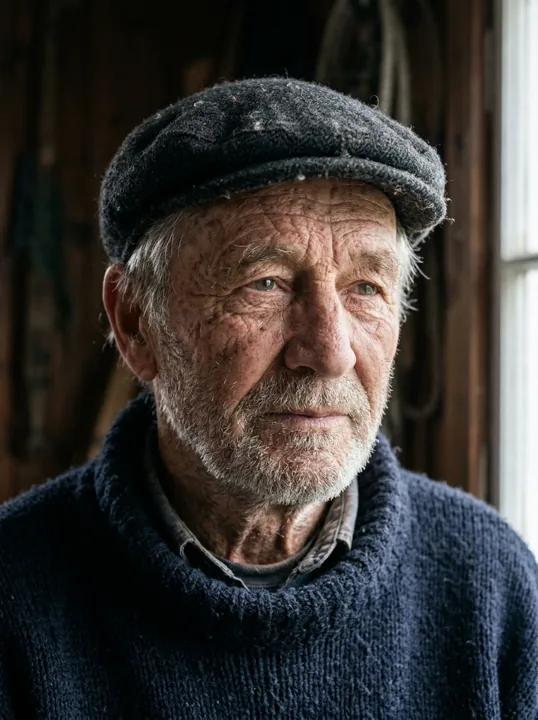 Side light, real texture
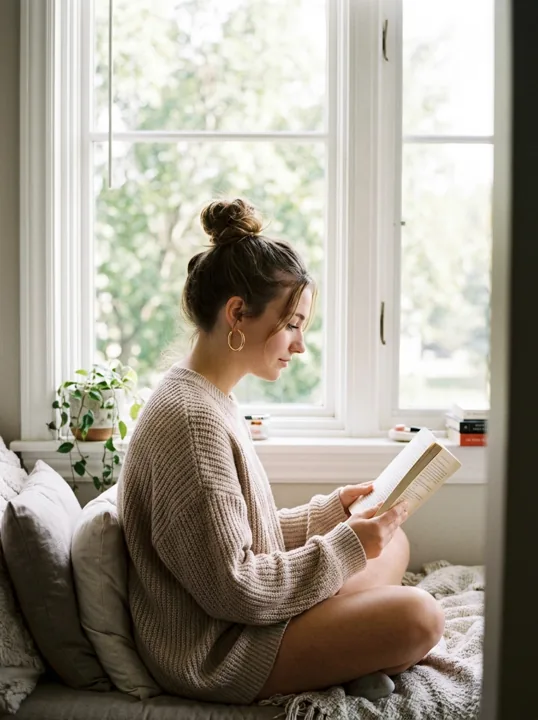 A quiet, clear scene
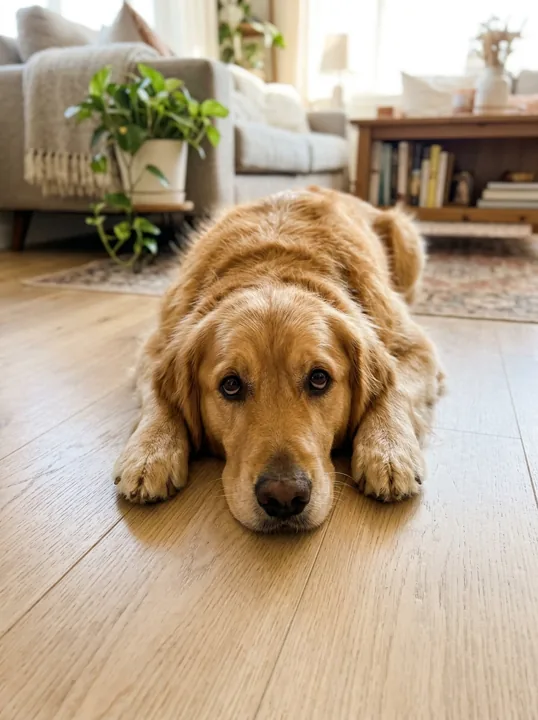 Fur you can see
 Subject too small
 Too dark to shade
 Blurred detail
What is a pencil sketch made from a photo?
A photo to sketch drawing redraws your photo as an artist would, either in graphite pencil with hatched shadows or as a clean line drawing with outlines only. Photo to Sketch keeps the face, framing and background of the photo.
Read more
A pencil sketch is a drawing made with graphite, the soft gray mineral inside an ordinary pencil. Artists use it to study a subject: a few long lines for the shapes, then shading laid down stroke by stroke until the form looks solid. Turning a photo into a sketch asks for the same result from a picture you already have, so the light, the pose and the setting stay while color gives way to grays on white paper.
What separates a convincing sketch from a gray filter is the shading. A filter darkens pixels; an artist builds tone out of lines. Light areas get a few thin strokes or none at all, middle tones get parallel hatching, and the deepest shadows get layers of lines crossing at different angles. The paper shows through everywhere, and its grain catches the graphite, which gives a real drawing its slightly rough surface.
People search for this in many words: photo to sketch, pencil sketch, line drawing and, very often, photo to outline. Those are not the same thing, and the comparison on this page explains the difference. This converter draws two of them: the shaded pencil sketch, and a clean line drawing that keeps only the outlines. Both keep the whole composition of the photo instead of cropping in on a face.
Why a pencil holds graphite, not lead
Pencils have never contained lead. A large deposit of pure graphite found at Borrowdale, in the north of England, in the sixteenth century gave Europe its first pencils, cut from solid sticks of the mineral. In 1795 the French engineer Nicolas-Jacques Conté patented a way of mixing powdered graphite with clay and firing it, which let makers decide how hard or soft a pencil would be. That is where the grades still stamped on pencils come from: H for hard and pale, B for soft and black, HB in between.
Hatching, cross-hatching and the direction of a stroke
Hatching is a set of close parallel lines that reads as tone from a distance. Cross-hatching lays a second set, sometimes a third, across the first, so the eye sees a darker gray without any solid fill. The technique comes from engraving and pen drawing, where an artist could not smudge a shadow in; the engravings of Albrecht Dürer in the early 1500s are the classic example in art history books. Pencil artists kept it because strokes that follow the curve of a cheek or a sleeve make a surface seem to turn.
The test portrait in graphite
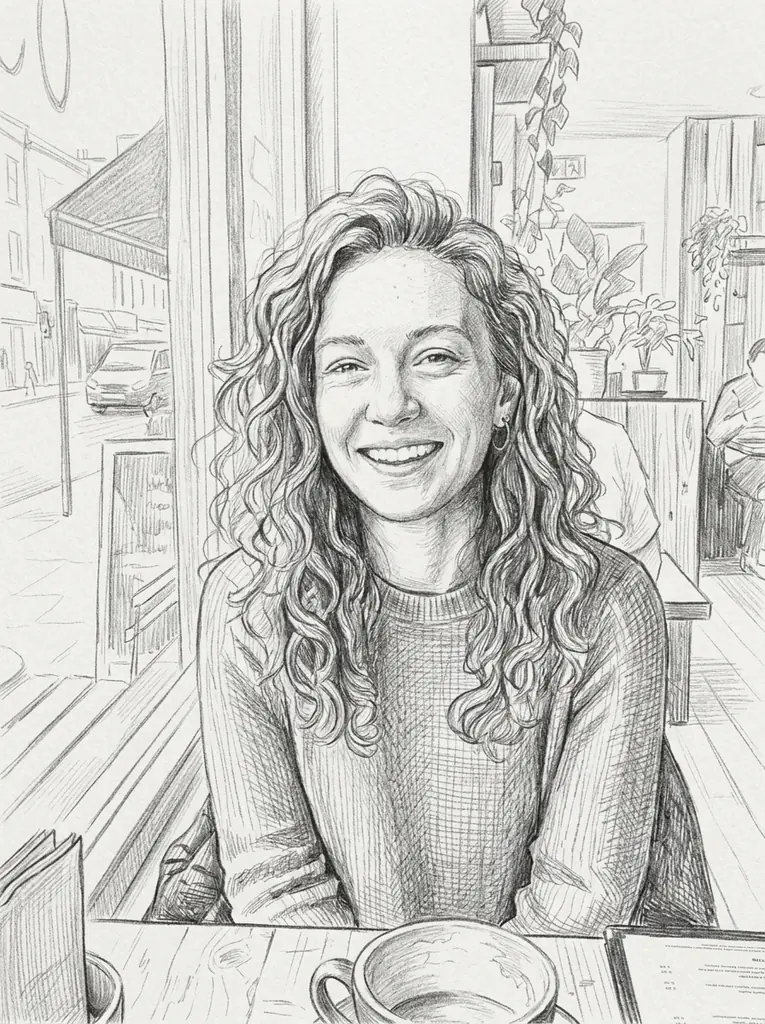
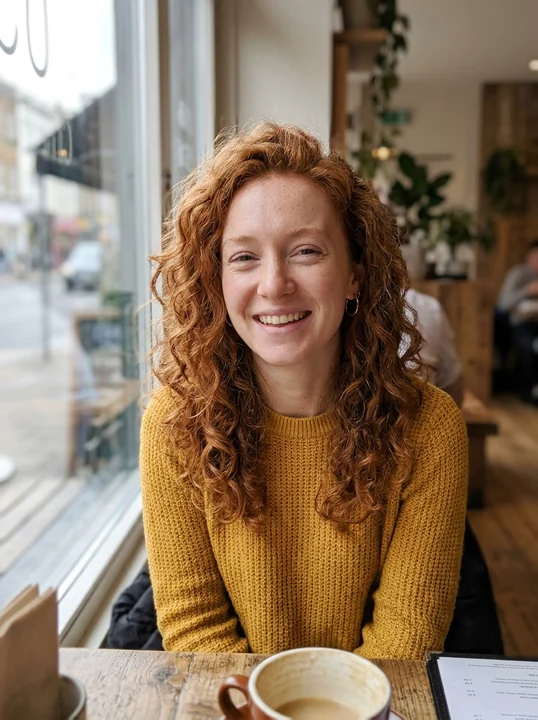
Our sketch test took place on 3 November 2026 with Nano Banana 2.1 and an early form of this prompt, fed with made-up people generated with AI. A woman with long curly red hair and a mustard knit sweater, holding a coffee cup by a cafe window, came back as a graphite sketch that drew her curls almost strand by strand, kept the knit pattern of the sweater, and placed the window and the cup behind her, all shaded with hatching. Her face was clearly hers. The red hair and the mustard wool became tones of gray, exactly as the recipe intends.
CartoonPix is independent and not affiliated with any pencil maker, art school, artist or drawing app. Sources: the history of graphite pencils and hatching from reference works on art history and drawing technique, search interest from our keyword research (November 2026), and our own analysis of the 3 November 2026 test runs. Updated .
Pencil sketch and line drawing questions
Is photo to sketch online free on this site?
It runs online in any browser, but it is not free: CartoonPix has no free credits. A 1K sketch uses 1 credit; the Starter pack is $9.99 for 20 credits, and pack credits never expire, so leftovers work on any other style.
Is this photo to sketch AI, or a filter?
It is AI. The Nano Banana 2.1 image model redraws the photo as a pencil drawing with a fixed recipe, laying down strokes and hatching, rather than running an edge filter over the pixels of the original.
Can I convert a photo to a line drawing for free?
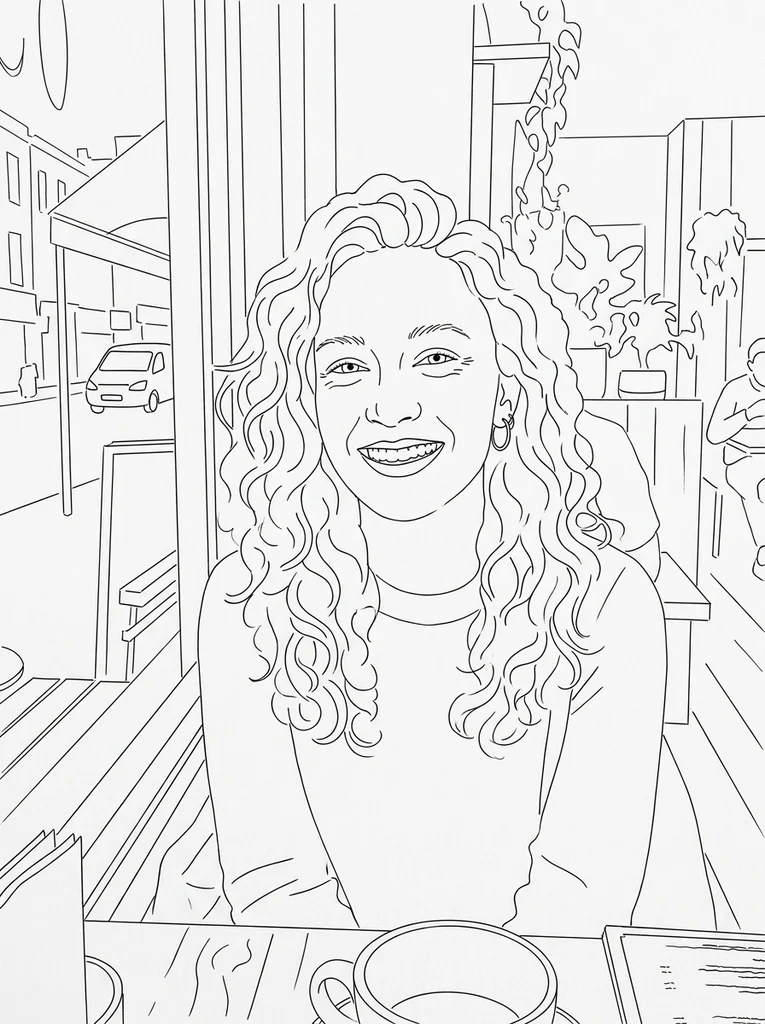
Yes, with the Line drawing style, picked before you upload: thin, even black outlines of the person and the main shapes, with no shading or gray. It is not free; like the pencil sketch, a 1K picture costs 1 credit.
Is this a photo to outline converter?
Yes. The Line drawing style keeps only the edges of each shape in thin black lines on white, which works as an outline to trace or frame. The Pencil sketch style fills the drawing with hatching and tone instead. For thick, simple outlines a child can color in, Photo to Coloring Page fits better.
Will photo to sketch keep my face and the background?
Yes. The recipe asks for the same framing as the photo, so the person, their expression and the setting behind them stay in place. In our test the cafe window and the coffee cup were still there.
Can the pencil sketch have a little color?
No. The style is graphite only: every color in the photo becomes a shade of gray on white paper. Red hair, for example, turns into a mid gray with darker strokes where the curls fall into shadow.
What does cross-hatching add to a drawing?
Cross-hatching builds darker tones from layers of crossing lines instead of a flat fill. It shows where the light falls, describes the curve of a surface and gives the sketch the texture of a drawing made by hand.
Is the sketch good enough to print and frame?
For a small frame or a card, 2K works well, and 4K gives the most pixels for a larger print. Fit the file to the page in your print dialog; the white paper background prints as plain white.
Does it work on pets, buildings and landscapes?
Yes. The recipe is not limited to faces. Fur, brickwork, leaves and water all turn into strokes and hatching, and a photo with a clear subject and good light gives the most detailed result.